Home Improvement · Design Ideas
Fence Design Ideas: A Style Gallery for Every Yard
Before choosing a fence, it helps to actually see the styles side by side — a photo makes the difference between "privacy fence" and "picket fence" obvious in a way a spec sheet never does. Here's a gallery of common fence styles, what makes each one work, and how to add a privacy screen to a fence you already have.
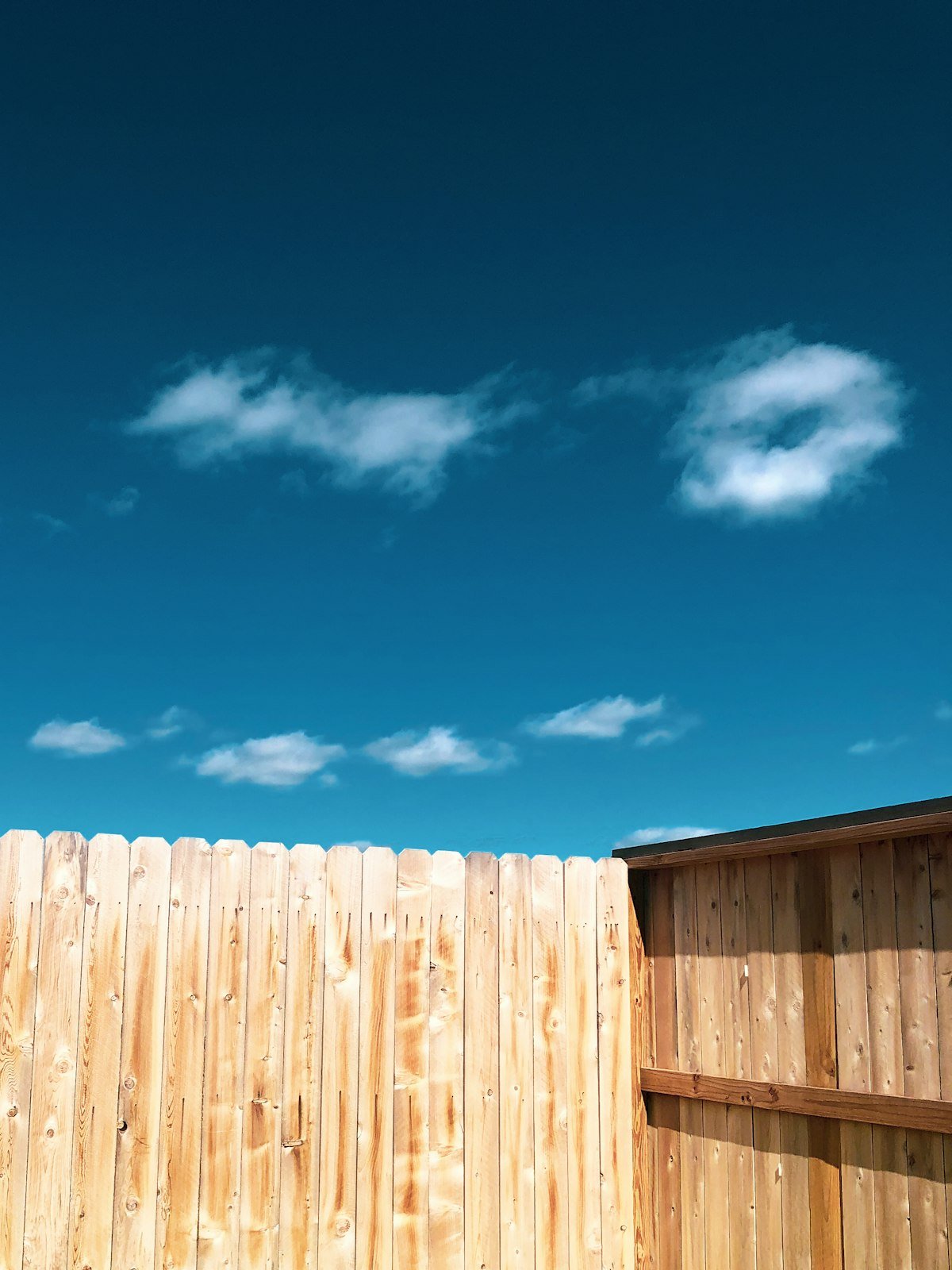
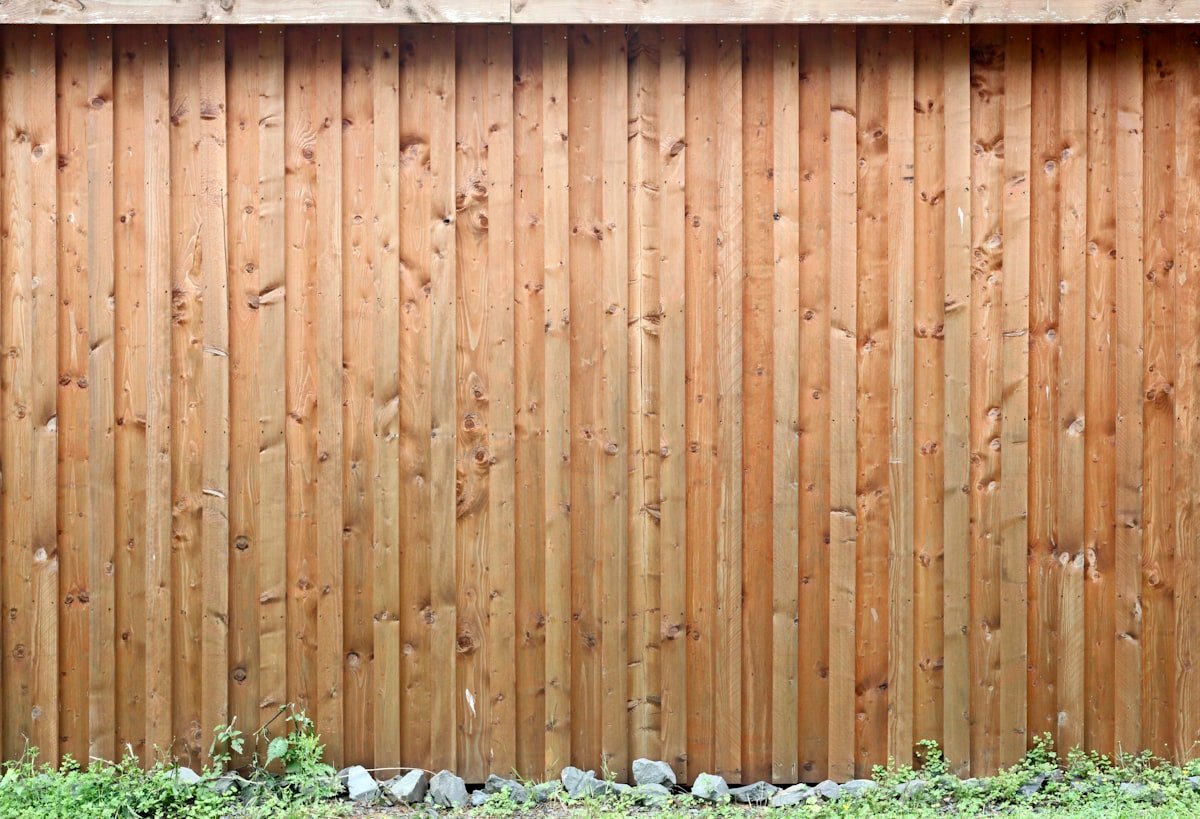
Classic Wood Privacy Fence
The most common privacy style — solid vertical boards with no gaps, typically 6 feet tall. Warm, familiar, and the easiest to find installers for.
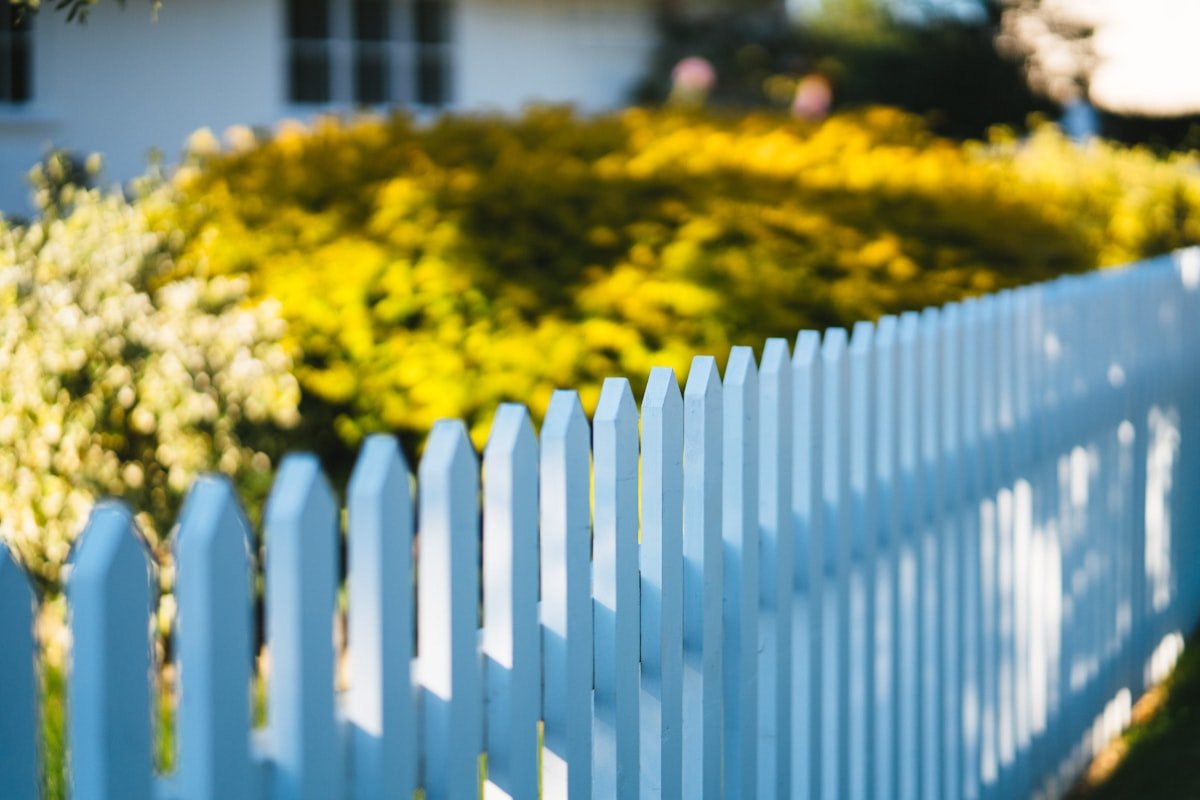
Traditional White Picket Fence
Low, spaced pickets built for curb appeal rather than privacy — a front-yard classic that pairs well with landscaping and garden beds.
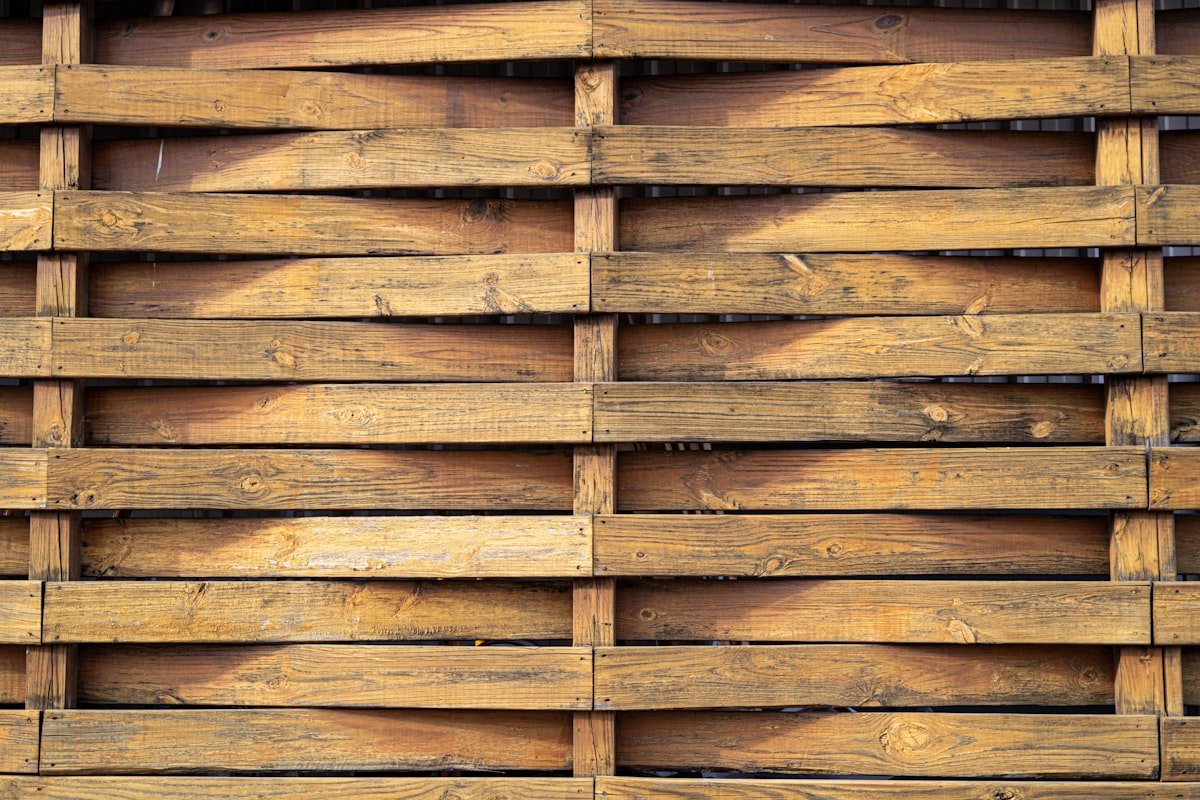
Modern Horizontal Slat Fence
Horizontal boards read as more contemporary than vertical pickets, and pair naturally with modern or minimalist home exteriors.
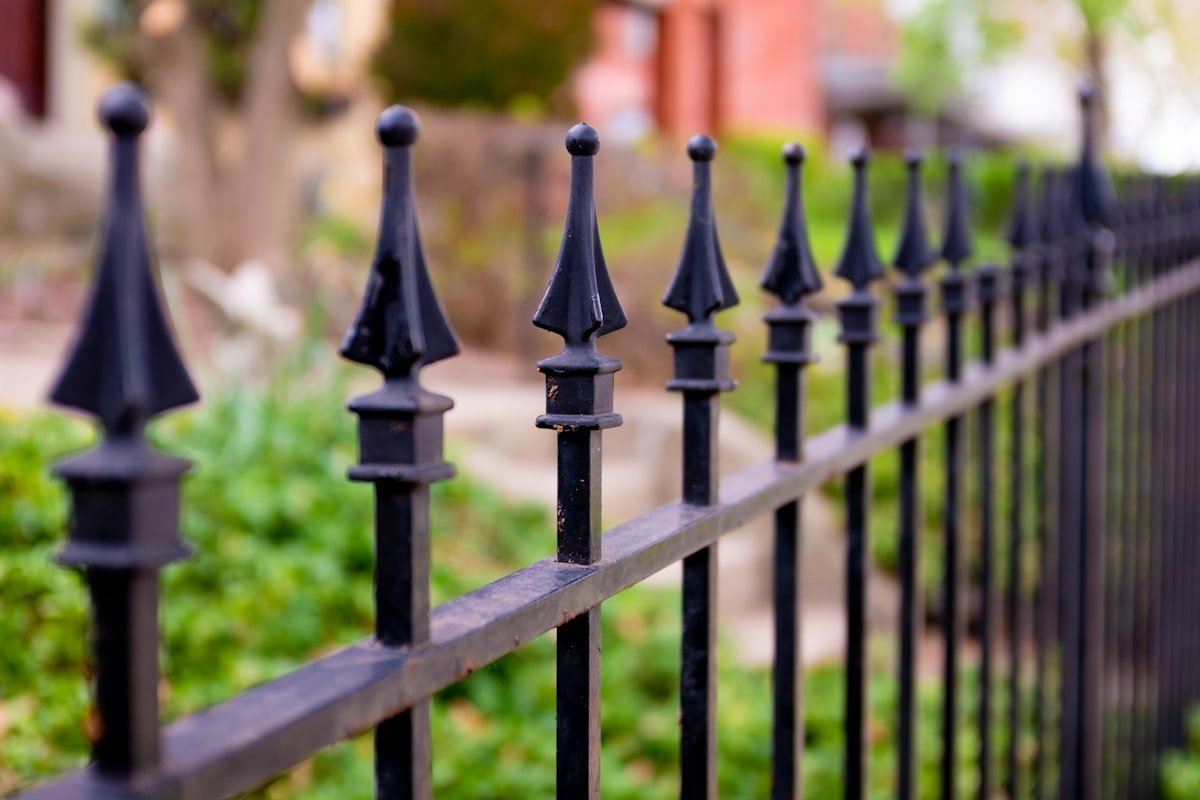
Ornamental Black Metal Fence
Open, low-maintenance, and doesn't block light or views — a common choice for front yards, pools, and properties wanting security without solid walls.
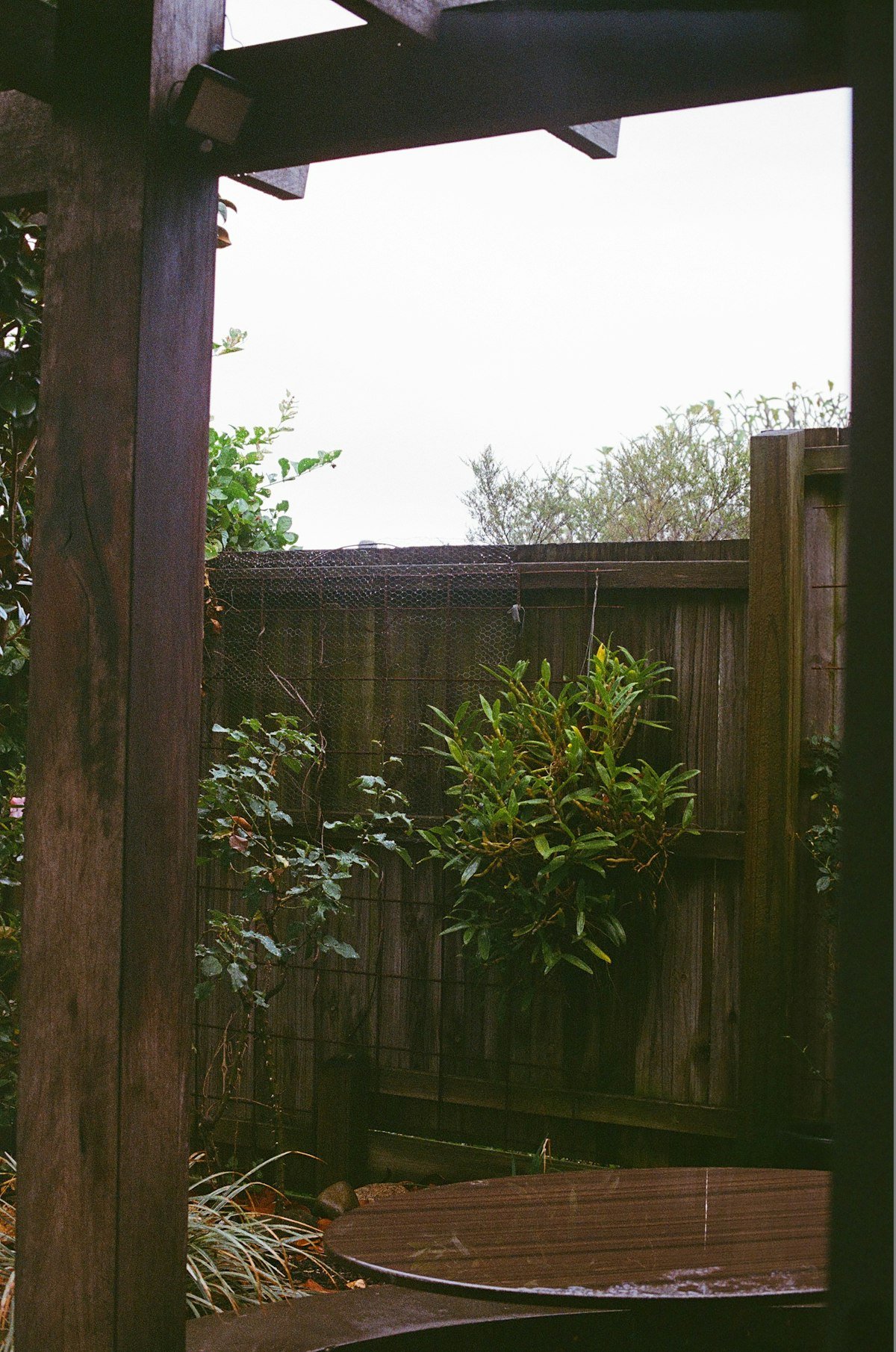
Fence Paired with a Pergola
Combining a privacy fence with a pergola or dense landscaping softens the boundary and turns a plain fence line into a finished outdoor space.
Privacy Fence with Climbing Plants
Climbing vines or flowering plants trained along a solid fence add a natural layer of screening on top of the physical barrier.
How to pick a style for your home
- Match your home's architecture. Horizontal slats and black metal tend to read as modern, while vertical picket and dog-ear privacy styles fit traditional and craftsman-style homes more naturally.
- Check HOA and local rules first. Many HOAs specify approved styles, colors, or maximum heights for front-yard fencing specifically — worth confirming before falling in love with a look.
- Think about what the fence needs to do. A front-yard fence for curb appeal (picket, ornamental metal) has very different requirements than a backyard fence meant for full privacy or containing a pet.
- Consider your climate. See our material guide for how sun, cold, and humidity affect wood, composite, vinyl, and steel differently over time.
Fence privacy screens: adding height and privacy to any fence
Not every yard needs a full fence rebuild to get more privacy — a privacy screen added to an existing fence is often faster and cheaper than replacing it. The most common approaches:
- Lattice or trellis toppers — a lightweight lattice panel attached to the top of an existing fence, typically adding 1-2 feet of height and partial screening while staying within many local fence-height limits that apply only to solid sections.
- Slatted inserts — vertical or angled slats woven into an open-style fence (like chain link) to convert it into a semi-private screen without replacing the structure.
- Reed, bamboo, or willow screening — inexpensive rolled screening that attaches to an existing fence line, popular for rentals since it's easy to remove without damaging the fence underneath.
- Climbing plants — as shown above, a fast-growing vine trained along a fence adds a natural screen that thickens over a season or two, though it requires more patience than a hardware-based option.
- Freestanding privacy panels — for patios or small areas that don't have a fence line at all, a standalone screen panel can create privacy without touching the property boundary.
Height and placement rules for privacy screens and toppers vary by city and HOA, particularly once a fence exceeds standard height limits — it's worth a quick check before installing anything taller than your existing fence line.
Found a style you like?
See how material choice affects the look and lifespan of each style in our fence material guide, then estimate your project cost.
Open the free calculator →Frequently asked questions
What is the most popular fence design right now?
Modern horizontal-slat fencing has become one of the most popular styles for contemporary homes, prized for its clean lines, while classic vertical wood privacy fencing remains the most common choice overall for traditional and suburban yards.
How can I add privacy to an existing fence without rebuilding it?
A lattice or trellis topper added to the top of an existing fence is the most common way to add height and privacy without a full rebuild. Slatted inserts, reed or bamboo screening woven through an open-style fence, and fast-growing climbing plants are also common lower-cost options.
Do horizontal fences cost more than vertical ones?
Usually yes. Horizontal-slat fences typically require more precise framing and often use higher grades of lumber or composite to prevent the long boards from bowing, which tends to push both material and labor cost above a comparable vertical picket or privacy fence.