Pet Containment · Buying Guides
Electric & Wireless Dog Fence Guide: How They Work + What to Look For
"Wireless dog fence," "electric dog fence," and "invisible fence" get used almost interchangeably in searches, but they don't all mean the exact same thing — and GPS systems are a different technology entirely. If you've already decided against a physical fence and want to understand this category before buying, here's how each one actually works and what separates a good system from a frustrating one.
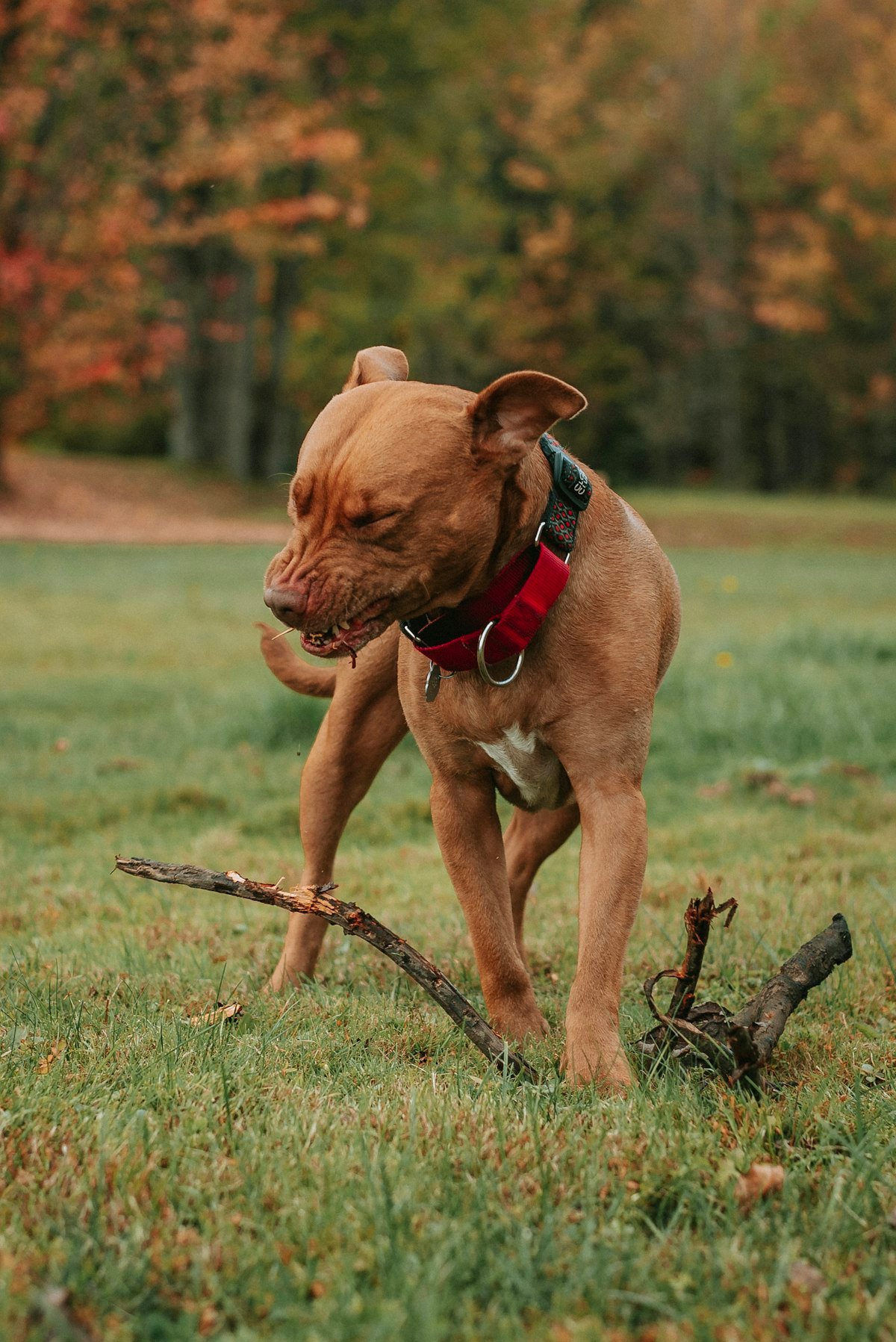
Wireless, electric, invisible fence — same thing?
Not quite, though the confusion is understandable:
- Invisible Fence is originally a trademarked brand name — one of the oldest and best-known companies selling underground electric containment. Like a few other trademarks that became everyday words, "invisible fence" is now used generically by a lot of people to mean any brand's buried-wire containment system, not just that specific company's product.
- Electric dog fence is the accurate umbrella term for any system that uses an electrical boundary signal — wire-based or wireless — paired with a correction collar.
- Wireless dog fence, more precisely, refers to a system using a radio transmitter that projects a circular (or sometimes rectangular) boundary from a base station, with no wire buried in the ground.
- In-ground / underground electric fence uses a wire you bury yourself, which can follow any custom shape rather than being limited to a circle around a transmitter.
All of the above rely on a correction collar reacting to a boundary signal. GPS dog fences are a separate category, covered next.
How electric and wireless fences actually work
A transmitter (either a base station broadcasting a radio signal, or a buried wire carrying a low electrical current) creates a boundary field. The dog wears a receiver collar that detects signal strength as it approaches that boundary. Most systems escalate through stages: an audible tone or vibration first, then a static correction if the dog continues toward or past the line. Correction intensity is typically adjustable across multiple levels, meant to be calibrated to the individual dog's size and sensitivity rather than left on a single default setting.
How GPS dog fences are different
A GPS fence skips the wire and the transmitter entirely. The collar itself uses satellite positioning — often with a cellular connection for real-time updates — and compares the dog's location against a boundary you draw yourself in a smartphone app, typically as a custom polygon rather than a fixed circle. That flexibility is the main appeal, along with working away from home, but GPS accuracy carries its own margin of error — commonly cited in the 10-30 foot range — which matters more on a small property than a large one.
Buying checklist: what actually matters
- Coverage areaConfirm the system supports your property's size — wireless transmitter range and in-ground wire length limits both vary by model.
- Multi-dog supportCheck whether additional collars are supported (and sold separately) if you have more than one dog.
- Correction modesLook for tone- and vibration-only modes, not just static correction, especially for anxious or sensitive dogs.
- Collar battery & waterproofingRechargeable vs. replaceable batteries and an IP water-resistance rating both affect day-to-day convenience.
- Boundary flexibilityCircular (wireless transmitter) vs. custom-shaped (buried wire) vs. fully custom polygon (GPS) — pick based on your yard's actual shape.
- Ongoing costsGPS systems in particular often require a data or subscription plan on top of the upfront collar cost — factor that into the real price.
- Warranty and supportEstablished brands with accessible customer support make replacement collars and troubleshooting far less painful down the line.
PetSafe is one of the most widely available brands across both wireless and in-ground electric fence categories, commonly sold at major pet retailers — worth knowing as a reference point even if you end up comparing it against other brands using the checklist above.
Training is not optional
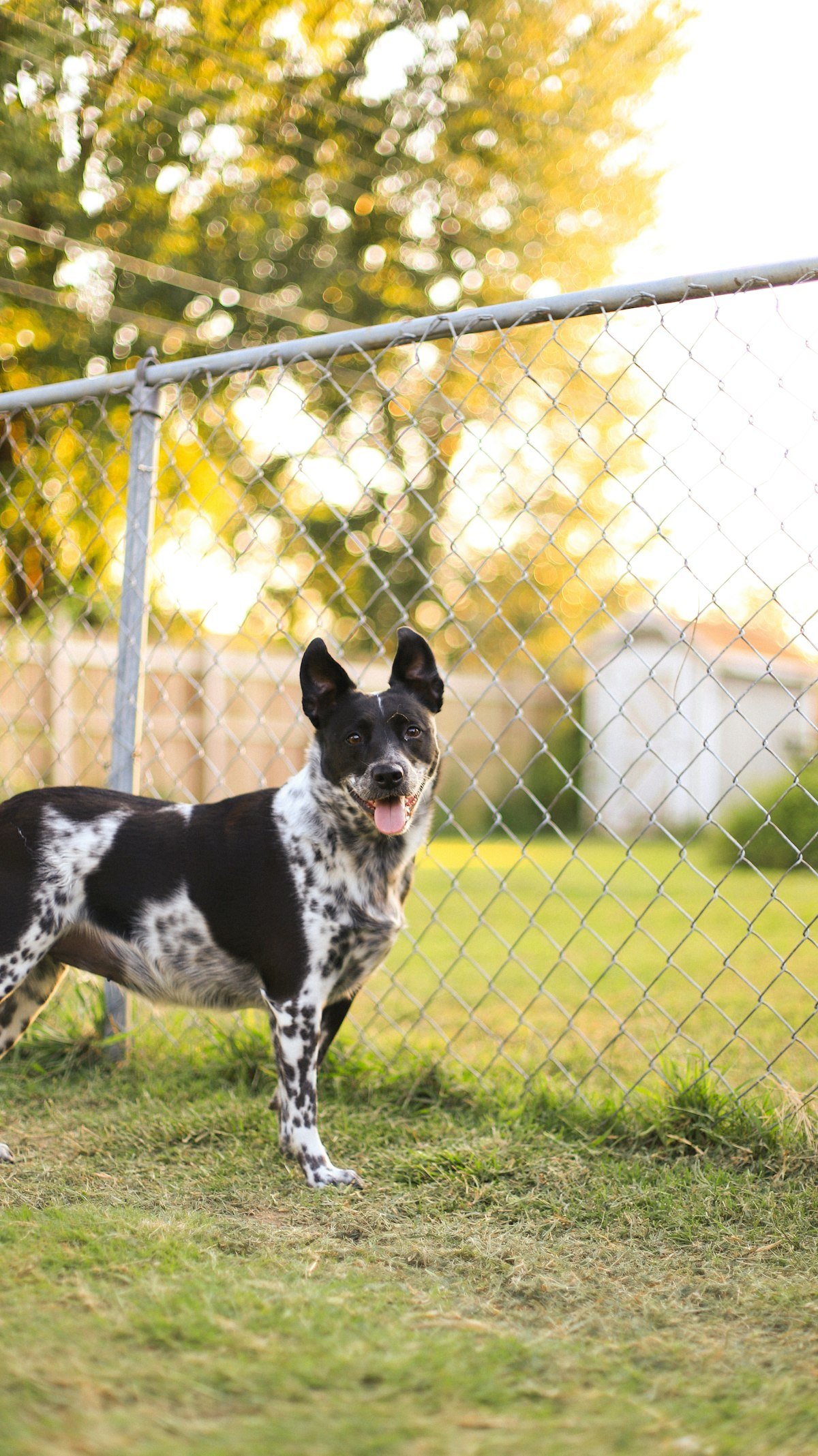
None of these systems work well without a proper training period — typically 2-4 weeks using boundary flags to mark the line visually while the dog learns to associate the warning tone with the edge of its space, with supervised off-leash time gradually increasing as the response becomes reliable. Skipping this step is the most common reason a new system seems "not to work" in the first week.
Still deciding between physical, wireless, and GPS?
Our companion guide compares all three containment types side by side to help you pick the right category before you start comparing specific systems.
Compare physical vs wireless vs GPS →Frequently asked questions
Is "invisible fence" a specific brand or a general term?
Invisible Fence is originally a trademarked brand name, one of the oldest companies in underground electric pet containment. Over time, "invisible fence" has become a generic term many people use for any brand of buried-wire or wireless electric containment system, similar to how some trademarked names become everyday shorthand for a whole product category.
How long does it take to train a dog to a wireless fence?
Most training guides recommend a 2-4 week supervised training period using boundary flags, gradually increasing off-leash time as the dog reliably responds to the warning signal before reaching the correction zone. Skipping or rushing training is the most common reason these systems fail to work as expected.
Do GPS dog fences need a monthly subscription?
Many GPS dog fence systems require a subscription for cellular connectivity and live tracking, since the collar needs a data connection to report location in real time. Check this cost before buying, since it adds to the ongoing cost beyond the initial collar purchase.